

How to Compare Pool Tile Quality
Understanding the Basics of Pool Tile Quality
When planning a swimming pool project, it is crucial to compare pool tile options carefully to ensure durability and aesthetic appeal. Knowing what to evaluate in pool tile quality helps homeowners make informed decisions. This knowledge also aids in preventing future maintenance issues and costly repairs. In Phoenix, where climate factors play a role, selecting the right pool tile quality is especially important. Ultimately, understanding these basics sets the foundation for a successful pool installation.
Pool tile quality refers to the materials, finish, durability, and resistance to weather conditions that tiles exhibit. High-quality tiles withstand water, chemicals, and temperature changes without fading or cracking. This quality affects both the tile’s lifespan and its safety in wet conditions. Comparing different pool tile types provides insights into their suitability for various pool designs and uses. Highlighting how to choose pool tile guides buyers through essential factors for comparison.
When comparing pool tile quality, it is essential to assess water absorption rates, slip resistance, and resistance to chlorine or saltwater erosion. Some tiles are made of ceramic, porcelain, or glass, each offering unique performance benefits. Porcelain tiles, for example, tend to have lower water absorption and higher durability, making them a popular choice. Glass tiles offer vibrant colors and reduce maintenance but may require more careful installation. Understanding these differences allows pool owners in Phoenix, Arizona to select tiles that are climate-appropriate and long-lasting.
For example, if you are considering different pool tile types for an outdoor pool in Phoenix, checking how each tile stands up to intense sunlight and pool chemicals is vital. A pool tile comparison that includes real-world tests or previous customer feedback is helpful. You may also want to explore how well the tile complements your pool’s overall design. Such practical evaluation leads to more satisfying results and ensures the tiles hold up to the regional environment. This approach makes your investment worthwhile.
With a good grasp of pool tile quality basics, you can now delve into more detailed criteria to make an optimal choice. The next section will focus on key attributes to examine during a pool tile comparison to find the best pool tile for your needs. This step-by-step guidance is especially useful in Phoenix, where environmental factors must be considered carefully.
Key Attributes to Compare Pool Tile Quality
Successfully comparing pool tile means understanding and scrutinizing core attributes that determine tile performance. This section promises to highlight critical features to guide your decision process. Focusing on these elements ensures you get the best pool tile that fits your requirements. These key attributes combine functionality and design to provide long-lasting and visually appealing results. Knowing what to prioritize prevents costly mistakes.
Attributes such as durability, resistance to chemicals, slip resistance, colorfastness, and ease of installation form the basis of pool tile quality assessment. Durability ensures the tile handles pool water and environmental stress over time. Chemical resistance helps it withstand chlorine or salt treatments without deteriorating. Slip resistance provides safety by preventing accidents around the pool. Colorfastness maintains the tile’s appearance despite sun exposure. Easy installation lowers labor costs and minimizes structural issues.
In some cases, manufacturers provide ratings or certifications for tiles meeting certain standards in these attributes. Comparing these ratings against your pool’s expected use and location can be very helpful. For example, in Phoenix, where intense sunlight prevails, tiles with high UV resistance are recommended. Additionally, slip resistance is critical in public or family pools where safety matters more. Knowing how to choose pool tile based on these attributes facilitates a better purchasing outcome.
Consider a scenario where two pool tile types seem comparable in price and appearance. Examining their slip resistance and chemical resistance ratings might reveal one is safer or more durable for your specific pool application. This thorough comparison helps avoid unforeseen problems and enhances your pool’s enjoyment. Detailed attribute analysis makes pool tile comparison a strategic and informed process.
Having explored the key attributes, you are better equipped to review more detailed information about different tile varieties and their applications. The following section will outline common pool tile types and their specific benefits, especially relevant in the Phoenix region.
Common Pool Tile Types and Their Benefits
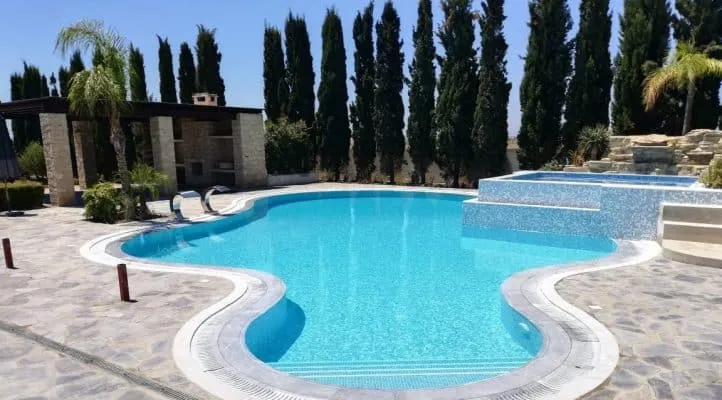
Understanding the pool tile types available on the market helps you compare pool tile effectively by matching features to preferences. This overview will introduce you to popular tile materials and their typical uses. Different pool tile types have distinct appearances, performance characteristics, and price points. This knowledge allows for a meaningful pool tile comparison that considers both aesthetics and function. It is particularly relevant in Phoenix, where environmental conditions influence material choice.
Typical pool tile types include ceramic, porcelain, glass, natural stone, and mosaic tiles. Ceramic tiles are affordable and versatile but may have higher water absorption. Porcelain tiles are dense and durable, making them suitable for pools with heavy use. Glass tiles offer a shimmering, luxurious look with high resistance to fading but can be more expensive. Natural stone tiles provide a natural appearance but require sealing and maintenance. Mosaic tiles are decorative and can incorporate various materials for custom designs.
Each type serves unique purposes depending on pool design and owner priorities. For instance, porcelain tiles stand out for their low maintenance, which suits busy households in Phoenix. Glass tiles enhance visual appeal but need professional installation. Natural stone tiles may provide a cooler surface in hot climates but need more upkeep. Comparing these options helps homeowners balanace durability, cost, and design preferences.
For example, when choosing between ceramic and porcelain pool tile types for an outdoor pool in Arizona, you might favor porcelain for its toughness and lower water absorption. This choice reduces potential damage from Phoenix’s intense sun and chemical treatments. Reference to different types of swimming pool tile can provide deeper insights. This comparison supports a well-informed purchase decision tailored to regional specifics.
Recognizing the benefits of various tile types prepares you for actual buying decisions by factoring in climate and use case. The next section will focus on practical steps and tips on how to choose pool tile for your particular project. These actionable guidelines help you move from theory to implementation smoothly.
Practical Tips on How to Choose Pool Tile
Choosing the right pool tile involves more than identifying types and quality attributes. This section promises actionable tips to help you compare pool tile thoroughly and confidently. These tips integrate practical considerations and personal preferences for a balanced decision. Following a structured approach reduces risks and ensures satisfaction with the final choice. Practical advice is especially useful in regions like Phoenix where local conditions impact tile performance.
Avoid rushing your decision-making by gathering samples and visiting suppliers to see actual tile colors and textures. Testing slip resistance under wet conditions gives safety assurance. Check warranty and return policies to avoid surprises. Factor in your pool’s intended use and maintenance capabilities. Also, seek expert advice or read customer reviews focused on regional experiences for realistic expectations.
Engaging with professionals in Phoenix pool construction or tile supply can enhance your understanding of how materials perform locally. For instance, certain tiles may resist fading better under Arizona’s intense sunlight. Comparing installation methods and costs is crucial as improper installation can undermine any pool tile quality benefits. Keep a checklist of your priorities and assess tiles accordingly to maintain objective evaluation.
Consider the following actionable tips:
- Request sample tiles to test color and texture in your pool area’s lighting.
- Inquire about pool tile warranty and manufacturer support.
- Verify the tile’s slip resistance rating for family safety.
- Check chemical resistance information, especially if using saltwater pools.
- Consult local experts familiar with Phoenix’s climate impacts on materials.
These steps unlock a practical route to choose tiles that meet both style and durability goals.
Culminating these tips empowers you to make a well-rounded decision when comparing pool tile. The final section will explore resources and tools to assist you further, including useful links for more detailed research and professional guidance.
Resources and Tools for Pool Tile Comparison
Identifying the best resources and tools makes the compare pool tile process easier and more precise. This section will guide you to useful external and internal sources that offer comprehensive information and expert advice. Leveraging these resources helps confirm your choice meets quality and style expectations. They provide valuable support in regions like Phoenix where specific environmental factors demand thorough research.
Several websites and guides present detailed pool tile comparison data, user reviews, and technical specifications. For example, the article on types of swimming pool tiles offers insights into advantages and limitations of popular options. Additionally, internal resources like different types of swimming pool tile provide regionally relevant perspectives and additional educational content. Utilizing these tools complements your direct evaluation efforts.
Besides online resources, consider visiting local suppliers in Phoenix to view tiles firsthand. Professional consultations can clarify doubts regarding installation or maintenance. Digital tools like comparison charts and calculators may also assist in weighing options and estimating costs. Combining multiple sources of information ensures a balanced pool tile comparison that aligns with your project goals.
An application example includes comparing two tiles side-by-side using online charts, then validating your choice through local supplier expertise. You might also find video tutorials or customer forums helpful for answering common questions. These cumulative resources create a reliable knowledge base for your pool tile selection journey.
With access to these resources and tools, you are well-prepared to make a confident and informed pool tile choice. Implementing comprehensive pool tile comparisons guarantees a successful project that maximizes durability and aesthetic appeal in the Phoenix area.


Add comment