

What Pool Tile Designers Specify in Luxury Developments
Understanding Pool Tile Selection in Luxury Developments
When it comes to luxury developments, pool tile designers face unique challenges and high expectations. The selection of tiles must meet both aesthetic and functional demands to ensure long-lasting appeal. Understanding these criteria allows developers and homeowners to appreciate why certain tiles are specified. You’ll learn what factors influence these choices and how they impact overall pool design.
Pool tile designers specify materials, colors, and finishes that blend beauty with durability. These choices must withstand constant exposure to water, chemicals, and outdoor elements. Additionally, they select tiles that complement the architectural style of the property. Quality and sustainability are essential to meet the standards of luxury developments.
Specifying pool tiles involves considering texture, slip resistance, and ease of maintenance. Luxury developments often favor natural stone or glass tiles for their elegant looks and resilience. Comparatively, ceramic tiles may be less common in these projects due to durability concerns. Specialists compare material attributes to find optimal solutions that withstand frequent use and environmental stress.
For example, designers might specify glass mosaic tiles for their reflective qualities and color range, providing a dynamic, upscale appearance. The choice includes tile size and patterns that create visual harmony with surrounding landscaping. This approach ensures that the pool enhances the property’s overall luxury ambiance.
Recognizing the specifications used by designers reveals the complexity behind tile choices. These decisions directly influence the pool’s longevity and aesthetic appeal, leading to informed choices in upcoming sections.
Material Preferences among Pool Tile Designers

Material selection remains a top priority for pool tile designers involved with luxury developments. The right material ensures resistance to water infiltration, chemical exposure, and temperature changes. This section examines the core materials that designers specify, highlighting their strengths and drawbacks. You’ll gain insight into how material affects both performance and style in luxury pools.
Common materials used include glass, natural stone, and porcelain. Glass tiles offer vibrant colors and light reflection but require precise installation. Natural stone conveys timeless elegance but demands sealing and upkeep. Porcelain delivers durability and design flexibility but can lack the high-end look some clients seek.
Comparing these materials reveals varied implications for cost, maintenance, and appearance. Designers carefully evaluate each project’s requirements to choose materials that best balance these factors. The regional climate, such as in upscale developments in warmer locations, also influences material suitability.
For instance, in warmer areas, glass tiles are often preferred because they resist heat and chemicals better than natural stone. Designers also consider environmental impact and sourcing to align with sustainable luxury goals. This balance enables projects to maintain prestigious standards while addressing practical needs.
Material choice forms a foundational aspect of pool tile specification, guiding the following discussion on aesthetic trends in luxury development pools.
Aesthetic Trends Influencing Pool Tile Specification
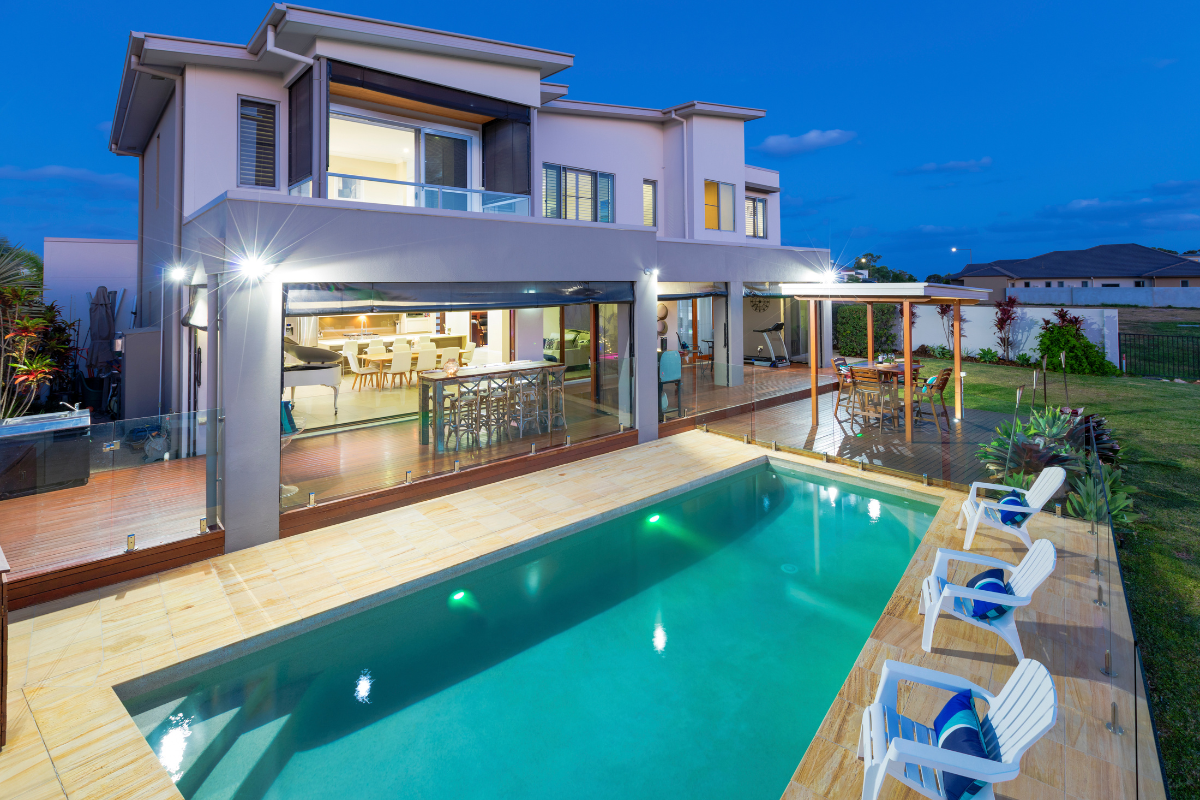
Luxury pool designs often reflect the latest aesthetic trends that shape tile selection. Designers avoid outdated looks, opting instead for sophisticated, timeless styles that enhance upscale properties. This section explores how current trends affect the tiles specified, helping readers understand the creative factors involved.
Designers specify colors and finishes that promote serenity and luxury. Popular choices include deep blues, muted whites, and pearlescent finishes that mimic natural water hues. Patterns may favor minimalism or intricate mosaics that add texture and visual interest. These trends align with the overall design language of the development.
Expanding on this, tile surface finishes are crucial. Matte finishes reduce glare and create an understated elegance, while polished surfaces provide a glossy, high-end effect. Designers also integrate artistic elements, such as custom mosaics or brand-inspired motifs, to personalize pools uniquely.
As an example, a luxury home in a coastal city may use ocean-inspired glass tiles arranged in wave patterns. This tailored approach enhances both the visual appeal and connection to the local environment. Such detailed floor planning reflects the specialist knowledge of pool tile designers.
Aesthetic trends act as a guiding framework for pool tile decisions, naturally leading into considerations of durability and maintenance in luxury projects.
Durability and Maintenance Considerations
Pool tile designers prioritize durability because luxury developments require long-term performance from specified tiles. Maintenance ease equally influences their choices, ensuring upkeep does not compromise the pool’s appearance. This section clarifies durability and maintenance factors that shape tile specifications.
Durability relates to a tile’s resistance to cracking, fading, and chemical damage from pool treatments. Maintenance involves cleaning frequency, stain resistance, and slip hazard prevention. Designers weigh these factors to specify tiles that meet the high expectations of luxury clientele without excessive upkeep demands.
Luxury developments particularly benefit from tiles with non-porous surfaces and high resistance to chlorine and UV rays. Glass and high-quality porcelain tiles fit these criteria well. Designers also consider joint materials and installation techniques to prevent water damage and tile displacement.
For example, a luxury hotel pool might feature glass tiles with epoxy grout to enhance durability and simplify cleaning. This combination reduces algae growth and surface degradation, making maintenance more manageable. Such practical specifications are common in upscale regional projects.
Durability and maintenance considerations ensure that luxury pool tile specifications support both longevity and visual appeal, setting the stage for exploring innovative designs and technologies.
Innovative Designs and Technologies in Tile Specification
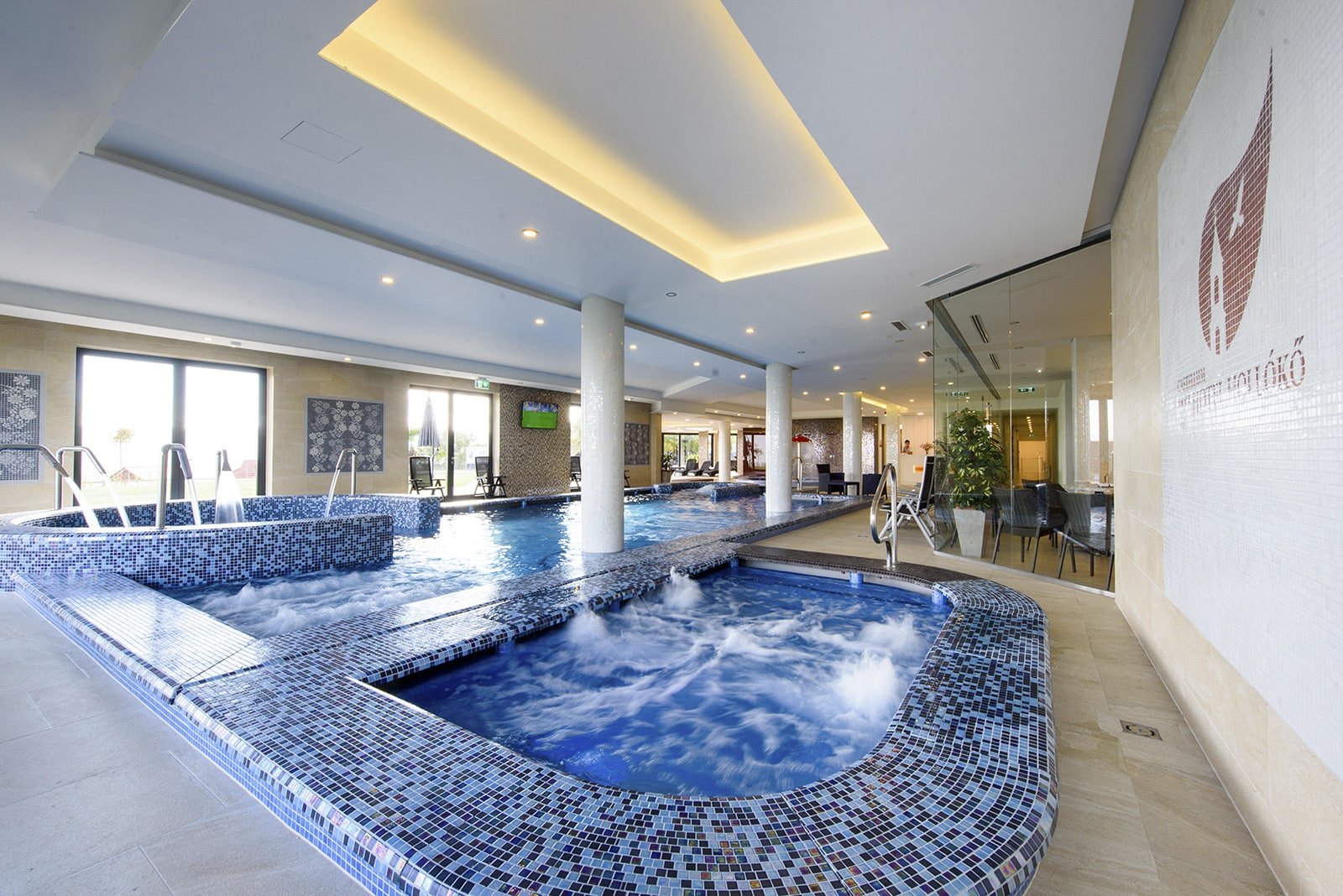
Innovation drives many modern pool tile specifications in luxury developments. Designers incorporate advances in materials and technology to enhance both aesthetics and functionality. This section presents examples of innovation influencing tile choices, demonstrating how luxury pools remain cutting edge.
New manufacturing techniques allow for sustainable tile production and custom finishes. Digital printing enables intricate patterns previously impossible on tiles. Innovations in surface coatings improve anti-slip properties and resistance to stains and fading. These advancements expand designers’ options beyond traditional standards.
Moreover, designers may specify smart tiles with integrated LED lighting or temperature-sensitive color changes, adding dynamic features to luxury pools. Although costly, such options reflect the bespoke expectations tied to high-end developments. Comparisons show that these technologies offer longer-term value despite upfront investment.
For instance, a luxury development might feature mosaic tiles embedded with LED lights to create mood lighting effects after dusk. This blend of beauty and technology elevates the pool’s ambiance and user experience significantly. Designers continuously adopt such innovations to differentiate projects.
Innovative trends thus shape tile specification, linking back to material choices and aesthetic considerations. Together, these factors offer a comprehensive view of what pool tile designers specify in luxury developments.
Summary and Next Steps for Luxury Pool Tile Selection
In conclusion, pool tile designers specify materials, aesthetics, durability, and innovations to meet luxury development standards effectively. Understanding these elements helps stakeholders make informed decisions when selecting tiles. Whether focusing on natural stone elegance or cutting-edge glass mosaics, the choices reflect both beauty and practicality.
Future steps include consulting with experienced designers and exploring project-specific needs. Considering regional climate and design trends in cities known for luxury developments integrates a vital context. This approach ensures tile selections remain relevant and sustainable for high-end pools.
A comprehensive list of factors to consider when choosing luxury pool tiles includes:
- Assessing material durability for regional climate conditions
- Choosing aesthetic styles that complement property architecture
- Incorporating current design trends without sacrificing timelessness
- Evaluating ease of maintenance and long-term appearance
- Exploring innovative technologies for enhanced functionality
For more insights on high-end pool tiles and luxury finishes, visit this detailed guide. Additionally, learn how luxury hotels specify tiles by reviewing the external resource here. These references support deeper understanding of luxury pool tile specifications.
Considering these factors and resources will guide you toward the best tile choices for your next luxury pool development project.



Add comment