
How Tile Quality Impacts Long-Term Maintenance Costs
Understanding the Role of Tile Quality in Maintenance Expenses
When considering tile for any project, understanding how tile quality impacts long-term maintenance costs is crucial. This knowledge promises to help owners make smarter decisions that minimize future expenses. High-quality tiles often provide durability and require less frequent upkeep, improving cost efficiency over the years. The importance of tile selection is magnified in areas with high moisture or frequent use. For those located in regions with varying climates, such as in many U.S. cities, the quality of tile can greatly influence how much is spent on maintenance.
Tile quality refers to the material strength, finish, and resistance to wear and tear. Premium tiles are manufactured to withstand impacts, chemicals, and weather conditions better than lower-quality options. These properties help reduce the likelihood of chips, cracks, and discoloration, all of which contribute to maintenance efforts. Therefore, choosing tiles with superior attributes can translate to fewer repairs and replacements over time.
The implications of tile quality extend beyond aesthetics into practical concerns like cleaning and durability. Tiles that absorb stains or are prone to damage increase maintenance frequency, thus raising costs. Comparatively, tiles with enhanced chemical resistance lower the need for harsh cleaning solutions or frequent restoration work. This balance between initial cost and long-term savings is a central factor in project planning, especially for outdoor or pool areas.
For example, pool owners in challenging environments find that investing in quality pool tiles leads to fewer maintenance interventions. It reduces the need for costly tile replacements and specialized cleaning chemicals, safeguarding the investment. Understanding these benefits encourages homeowners to prioritize tile quality during the installation phase.
By appreciating how tile quality drives maintenance expenses, readers can approach tile-related projects more deliberately. This insight sets the stage for detailed exploration of the factors influencing tile durability and maintenance demands in the sections ahead.
Factors That Define Tile Quality and Their Impact
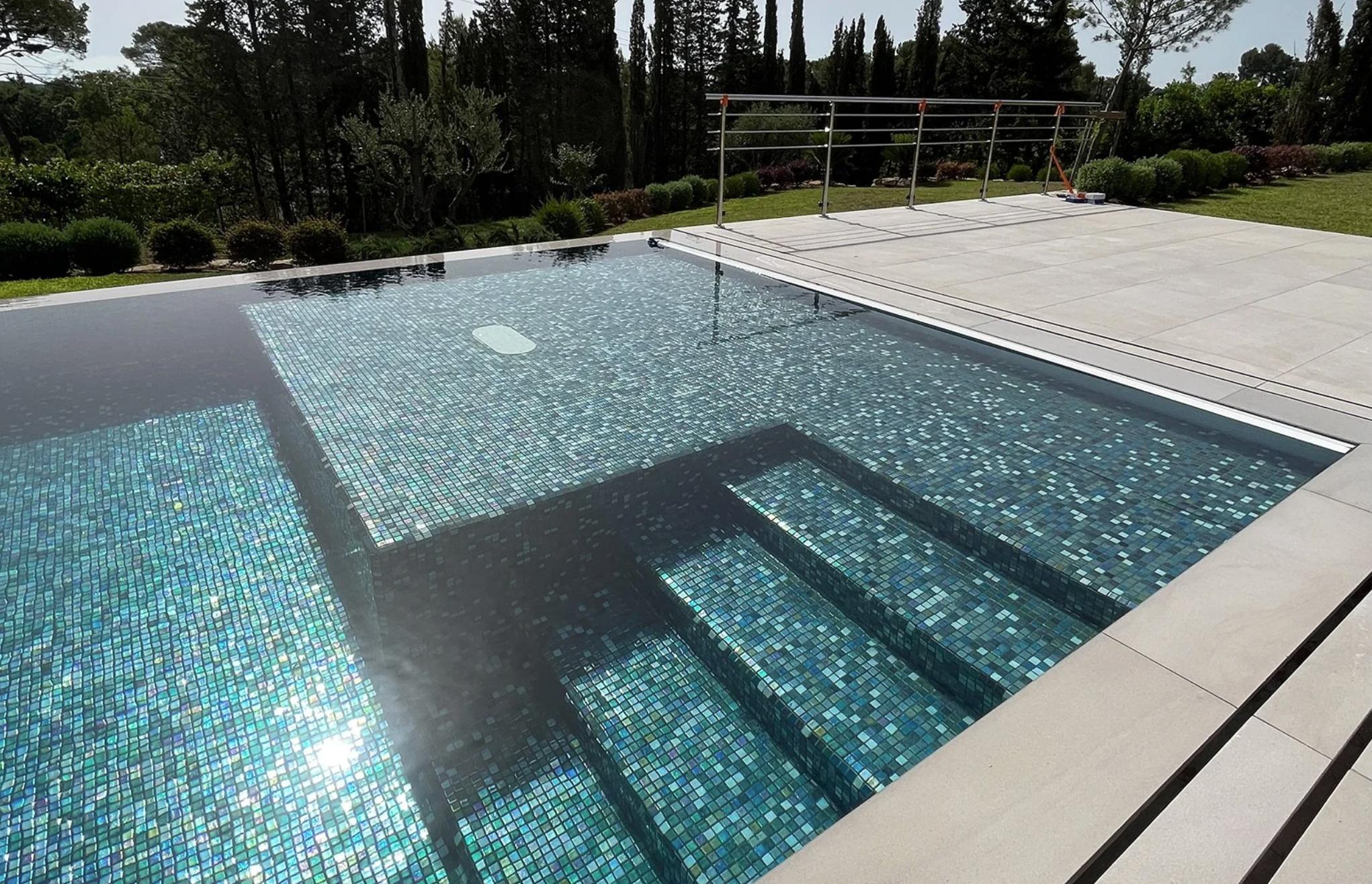
Grasping what constitutes tile quality can clarify why maintenance costs vary so greatly. This section explains core factors and how they influence upkeep requirements. Tile density, finish, glaze types, and fabrication methods all contribute to overall quality. Each factor plays a vital role in how tiles respond to environmental stress and physical wear.
Tile density and hardness measure resistance to cracking and chipping. Generally, denser tiles endure heavy foot traffic and environmental pressures better. Finish and glaze provide protection against stains and chemicals, lessening the frequency and complexity of cleaning. Water absorption rates also affect durability, especially in moist climates.
These quality indicators serve as benchmarks to evaluate the expected lifespan and maintenance needs of tile materials. Assessing these criteria allows consumers and professionals to predict long-term outcomes more accurately. In comparison, low-quality tiles often lack these attributes, leading to accelerated degradation and increased upkeep.
As an example, chemically resistant tiles significantly reduce the risk of damage from pool cleaning agents. This chemical resistance lowers maintenance costs by preventing surface wear that mandates costly repairs. This benefit is particularly important in regions where pool tile maintenance faces constant chemical exposure.
Recognizing these underlying factors aids in making well-informed purchasing decisions. With clearer understanding, one can better balance upfront tile expenses against future maintenance savings, promoting lasting project success.
How Tile Maintenance Costs Accumulate Over Time

Understanding the ways tile quality impacts long-term maintenance costs means acknowledging how expenses accumulate. Maintenance involves cleaning, repairs, replacements, and protective treatments that recur throughout the tile’s lifespan. This overview promises a closer look at cost drivers tied directly to tile attributes.
Higher-grade tiles tend to require less frequent cleaning and are less prone to damage needing repair. Lower-quality tiles often absorb dirt and chemicals more readily, increasing cleaning labor and supply costs. Damage such as cracking or fading demands extra investment in materials and professional repairs, escalating expenses.
Cost accumulation is influenced by the tile’s resistance to wear and environmental factors linked to the installation locale. For instance, in cities with harsh winters or heavy rainfall, lower-quality tiles might degrade faster. Consequently, maintenance frequency climbs, driving up total expenditure.
In practical terms, investing in quality tile reduces these ongoing maintenance demands. Visible examples from residential and commercial installations in the region highlight how superior tile choices save money. They demonstrate fewer repairs and lower cleaning supplies use over a project’s life.
This understanding informs strategic planning for tile procurement and maintenance budgets. Knowing where costs build helps in selecting tiles that minimize long-term financial burdens.
Practical Steps to Optimize Tile Longevity and Costs

To further reduce maintenance expenses, appropriate care and selection strategies are vital after recognizing how tile quality impacts long-term maintenance costs. This section offers actionable guidance for maximizing tile durability and minimizing upkeep demands. Proper installation, routine cleaning, and prevention techniques are essential parts of this approach.
Choosing the correct installation method ensures tiles stay firmly in place and resist cracks. Regular gentle cleaning using suitable products preserves finishes and prevents buildup that could degrade tile surfaces. Applying sealants or protective coatings extends tile life, particularly on porous materials.
These steps, combined with selecting inherently durable tiles, will lower overall maintenance frequency. This integrated care approach is critical, especially for tile installations exposed to environmental or chemical stresses found in pool settings or outdoor patios common in the US market.
As an example, pool owners can apply a chemical-resistant tile maintenance routine highlighted in an internal resource. This routine prolongs tile life and reduces costly damage repairs. Implementing such practices ensures cost effectiveness across the tile’s lifespan.
Following these practical recommendations bridges knowledge to action, empowering informed decisions to safeguard tile investments effectively.
Cost-Effective Tile Solutions Balancing Quality and Budget
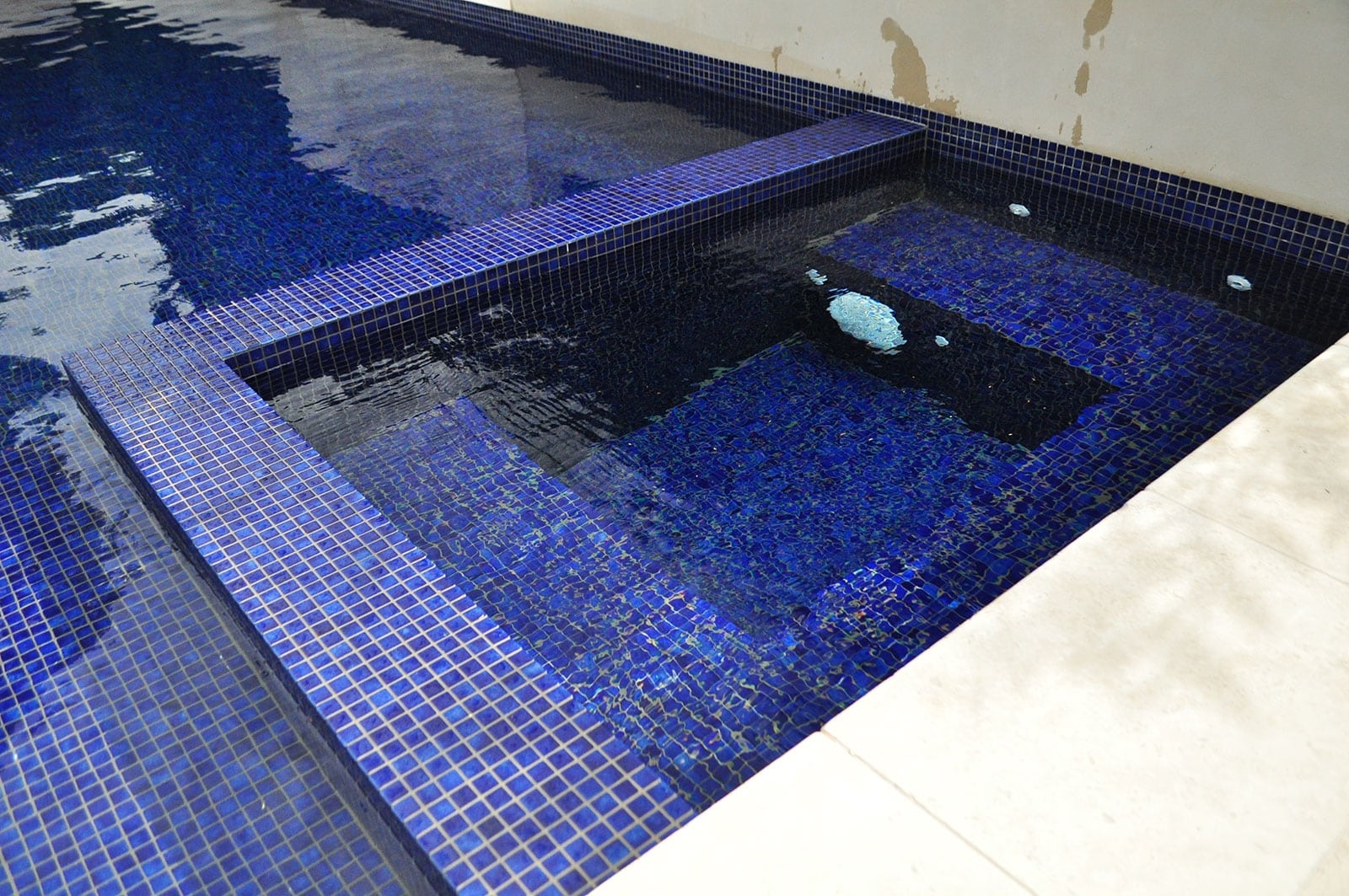
Navigating the balance between tile quality and budget concerns is key to managing maintenance costs. Insight into cost-effective tile solutions helps readers explore options that combine durability with affordability without sacrificing performance. This section explores how to optimize choices within financial constraints.
Many tiles offer a spectrum of quality levels and prices, enabling selection aligned with specific project needs. Prioritizing certain tile attributes, such as chemical resistance or toughness, over elaborate design can reduce expenses while maintaining long-term benefits. Evaluating supplier reputations and warranties also influences value assessments.
Such balanced approaches are practical for projects in diverse regions where climate and use conditions dictate appropriate tile performance. Locations in the U.S. with varied weather call for tiles that deliver reliable protection against wear but remain financially viable.
For further guidance, consulting external resources like this cost-effective pool tiling solutions page provides real-world examples and vendor comparisons. This additional perspective supports making well-rounded purchasing decisions.
Understanding and applying cost-effective tile strategies enables better management of maintenance costs without sacrificing functional quality. This knowledge completes the comprehensive view of tile quality’s impact on long-term expenses.
Summary and Key Takeaways for Tile Quality and Maintenance
In summary, the impact of tile quality on long-term maintenance costs is profound and multifaceted. This final section consolidates insights and emphasizes essential considerations for readers aiming to control expenses. Knowing these connections directs better tile choices and care practices.
High-quality tiles reduce frequency and severity of maintenance, lowering overall spending. Key quality factors include material strength, chemical resistance, and finish durability. Ignoring these can lead to escalating costs and project dissatisfaction.
Taking proactive maintenance steps further enhances tile lifespan and effectiveness. Combining good selection with proper care produces the best financial outcomes. This is especially significant in regions where environmental factors pose additional challenges.
For a detailed understanding of chemical resistance and its importance in tile selection, consult this internal resource. It provides valuable context supporting maintenance cost control strategies.
Overall, this comprehensive approach ensures tile investments remain cost-efficient and functional, securing long-term satisfaction with minimal maintenance burdens.
- Choose tiles with proven durability and resistance.
- Implement regular, appropriate cleaning routines.
- Avoid low-quality tiles that increase repair frequency.
- Explore cost-effective options balancing quality and budget.
- Use expert resources to guide tile selection and care.
- Consider regional environmental impacts on tile performance.




Add comment