
Essential Pool Tile FAQs for Contractors
Understanding Common Pool Tile Questions
Pool tile questions frequently arise during contractor projects. This section introduces the most pressing issues and promises clear answers. Understanding these basics helps contractors manage client expectations effectively. Pool tile problems often involve durability and maintenance concerns. By addressing these early, contractors can plan better projects in the Charlotte area.
Pool tile FAQs cover topics like tile types, materials, and installation methods. Defining these elements offers a foundation for problem-solving. Knowing tile characteristics assists in selecting the right products for specific pools. For instance, some tiles are better suited for harsh weather conditions. Such knowledge is valuable for contractors working around Charlotte.
Expanding on these concepts, pool tile questions often explore long-term performance. When tiles are installed correctly, they contribute to pool longevity. Poor installation leads to tile damage and costly repairs. Contractors benefit from understanding these implications. This section clarifies why attention to detail matters in tile work.
An example involves selecting between ceramic and glass tiles. Ceramic tiles provide durability but may be less visually striking. Conversely, glass tiles offer aesthetics but require careful handling. Contractors need to weigh these choices when designing pools in Charlotte. The right selection enhances client satisfaction.
Overall, mastering pool tile FAQs equips contractors for success. Equipped with this knowledge, they can avoid common errors. This section sets the stage for more detailed discussion on tile installation and maintenance techniques.
Best Practices for Pool Tile Installation

Proper tile installation is critical to a pool’s appearance and function. Contractors must understand the recommended best practices to deliver quality results. These practices include surface preparation, adhesive choice, and grout application. Each step influences tile adhesion and durability. In regions like Charlotte, weather considerations also affect installation methods.
Installation begins with thorough surface cleaning and leveling. This ensures tiles adhere firmly. Selecting the right adhesive is next, tailored to pool conditions. Some adhesives resist water and chemicals better than others. Grouting follows, sealing gaps to prevent water infiltration. Each phase contributes to the tile’s lifespan and performance.
Extending beyond basics, contractors must consider warranty implications. Proper installation often qualifies tiles for extended warranties. Poor workmanship can void these protections. Comparing successful projects in Charlotte confirms the importance of following guidelines. Adhering to best practices reduces callbacks and enhances reputation.
For example, using waterproof adhesive in a pool located in Charlotte reduces tile loosening risks. This approach secures tiles against seasonal temperature changes. Contractors applying such methods achieve better client outcomes. Consistency in installation quality is essential.
In conclusion, commitment to best practices enables contractors to stand out. Following detailed steps ensures tiles perform well over time. The next section will explore how to identify and fix common tile issues.
Identifying and Solving Pool Tile Problems

Recognizing tile problems early prevents costly repairs. Contractors often face questions about detecting and addressing common issues. This section offers practical guidance on problem identification and solution implementation. Understanding these helps maintain pool tile integrity in any project, including those around Charlotte.
Common problems include loose tiles, cracked grout, and discoloration. Each issue arises from different causes like weather impact, improper installation, or chemical exposure. Contractors must distinguish symptoms to apply the correct fix. For example, loose tiles often result from inadequate adhesive or movement.
Expanding further, timely repairs extend pool life and client satisfaction. Ignoring damage leads to water infiltration and structural harm. Identifying problems during regular inspections allows for prompt intervention. This proactive approach saves contractors time and resources in the long run.
A practical application is fixing loose pool tiles using approved adhesives and techniques. Detailed repair guides, such as those available at external resource, provide valuable step-by-step instructions. Contractors in Charlotte find these resources beneficial for maintaining high standards.
Ultimately, problem awareness and readiness to fix issues distinguish expert contractors. The next segment will explore ongoing maintenance tips that minimize future tile problems.
Effective Pool Tile Maintenance Tips

Maintenance is key to preserving pool tile beauty and function. Contractors receive frequent questions on best maintenance practices. This section promises actionable advice to ensure tiles remain attractive and durable. Proper maintenance protocols support pool longevity in diverse climates, including Charlotte.
Maintenance includes routine cleaning, grout inspections, and chemical balance management. Cleaning removes dirt and prevents algae growth. Checking grout for cracks avoids water seepage. Controlling pool chemicals protects tile surfaces from damage. Each element contributes to overall tile health.
Expanding the topic, preventative maintenance reduces repair frequency. Regular attention to tile condition minimizes risk of costly issues. Contractors advising clients on maintenance establish trust and professionalism. In Charlotte, where seasonal weather affects pools, these tips are especially valuable.
Examples include scheduling regular cleaning sessions and recommending pH balance checks. These simple actions significantly improve tile lifespan. Contractors can share maintenance plans to empower pool owners. This proactive approach enhances project value.
In summary, effective maintenance keeps pool tiles in top condition. Following these guidelines supports sustainable pool management. Next, we will examine expert recommendations for selecting pool tiles.
Choosing the Right Pool Tiles for Longevity and Style
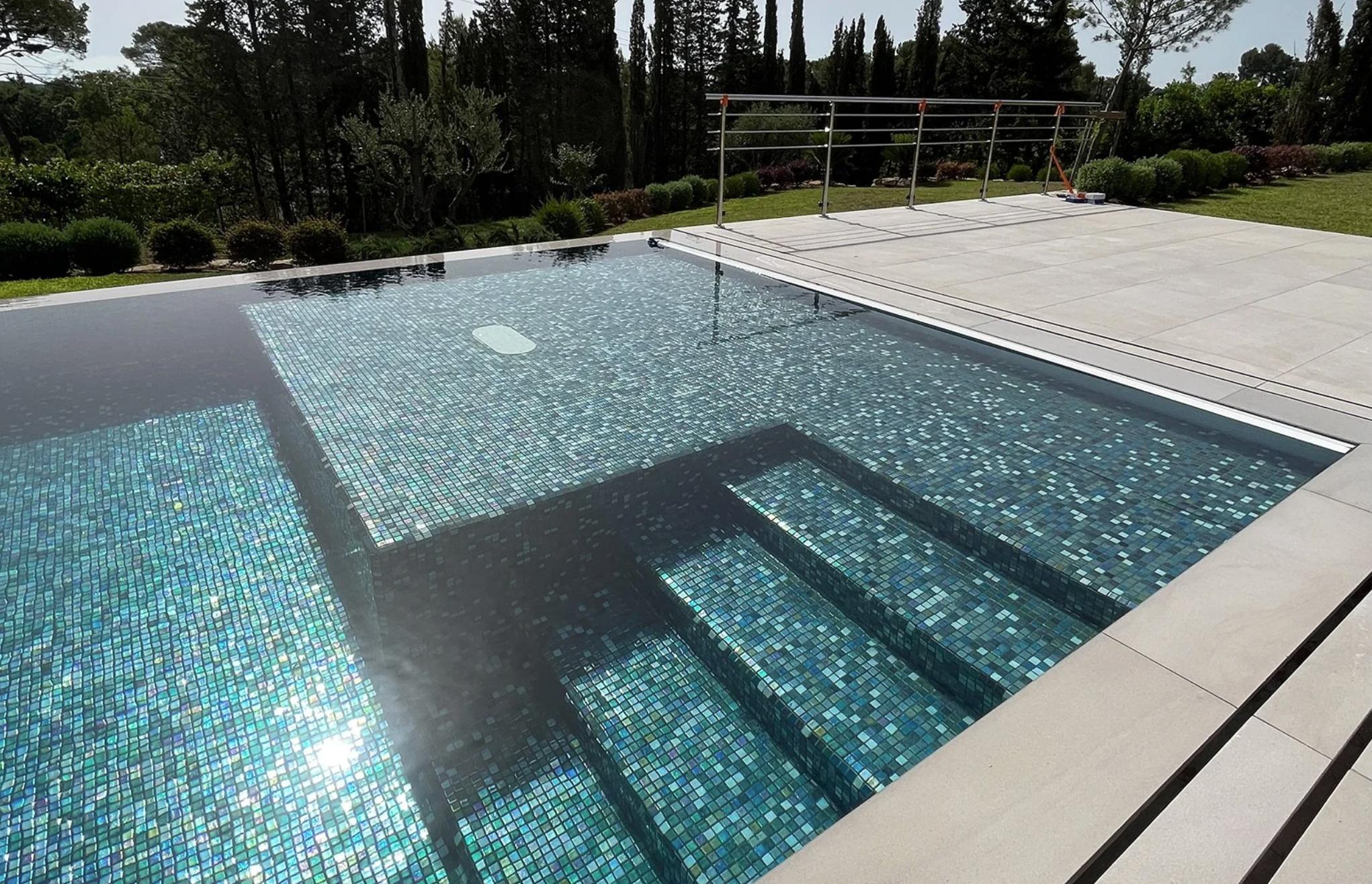
Selecting suitable pool tiles combines aesthetic appeal and durability. Contractors often inquire about optimal tile choices for different pool projects. This section outlines expert advice for choosing tiles that perform well and look great. Considerations include material, style, and local environmental factors like those in Charlotte.
Tile materials range from ceramic to glass and natural stone. Each type offers unique benefits and challenges. Ceramic tiles are durable, while glass tiles add vibrant colors. Natural stone provides a classic look but requires more upkeep. Understanding these options ensures appropriate choices for client needs.
Further, style preferences vary widely based on client tastes and pool design themes. Contractors must balance aesthetics with practical considerations such as slip resistance and maintenance requirements. Selecting tiles adapted to Charlotte’s climate enhances longevity. Well-chosen tiles contribute to overall pool satisfaction.
An application is recommending frost-resistant tiles in regions prone to cold weather, like parts of Charlotte. This choice prevents cracking during winter months. Contractors who integrate local climate knowledge into tile selection provide superior service.
In conclusion, careful tile selection elevates pool projects. Contractors equipped with detailed knowledge create beautiful, lasting pools. For additional insights on resolving installation issues, see this internal resource.
Tips for Managing Client Expectations on Pool Tile Projects
Managing client expectations ensures smoother project completion and satisfaction. Contractors seek practical methods to set realistic goals regarding pool tile work. This section offers strategies to communicate effectively and mitigate misunderstandings. In Charlotte, clear communication is vital due to diverse client backgrounds.
Expectation management involves explaining installation timelines, potential tile care requirements, and limitations of tile materials. Clients appreciate knowing what to expect upfront. Providing detailed information reduces surprise repairs or dissatisfaction. Good communication builds trust and transparency.
Expanding, this approach includes discussing cost implications and maintenance efforts clients should anticipate. Setting a clear scope helps clients budget accordingly. Contractors who clarify these points avoid disputes. Offering examples from previous Charlotte projects illustrates common challenges and solutions.
A useful technique is providing written care instructions and warranty details at project completion. This documentation supports client understanding. Contractors creating such comprehensive handoffs enhance professionalism and client confidence.
Ultimately, managing expectations strengthens contractor-client relationships. It encourages referrals and repeat business. This final section wraps up the comprehensive guide to pool tile FAQs for contractors working in regions like Charlotte.




Add comment