

What Causes Pool Tiles to Fall Off?
Understanding Why Pool Tiles Fall Off
Pool tiles falling off can be a frustrating problem for pool owners, especially in Orlando, Florida, where the climate demands durable materials. This article explores the primary causes of pool tile damage, offering insight into why pool tiles fall off and how to address these issues effectively. Recognizing the reasons behind pool tile problems can help prevent costly repairs.
Pool tiles tend to come loose over time due to several factors including poor installation, water chemistry imbalances, and weather effects. These causes weaken the adhesive bond, leading to loose or detached tiles. Understanding these aspects allows pool owners to identify the root of the problem.
Comparatively, poor grout application or the use of substandard materials can severely affect tile adhesion. Even minor structural shifts or vibrations in the pool’s foundation might contribute to tiles detaching. Therefore, every aspect from installation to environmental conditions plays a role.
For example, Orlando pools often endure intense sun exposure which can degrade adhesives faster. Additionally, chlorine levels that are too high or improperly balanced water can undermine the tile’s grasp. Such practical examples emphasize the importance of proper care and maintenance.
In summary, addressing why pool tiles fall off requires attention to installation quality and ongoing pool maintenance. This knowledge sets the stage for examining specific pool tile problems in detail, guiding us to the next section.
Common Causes of Pool Tile Damage
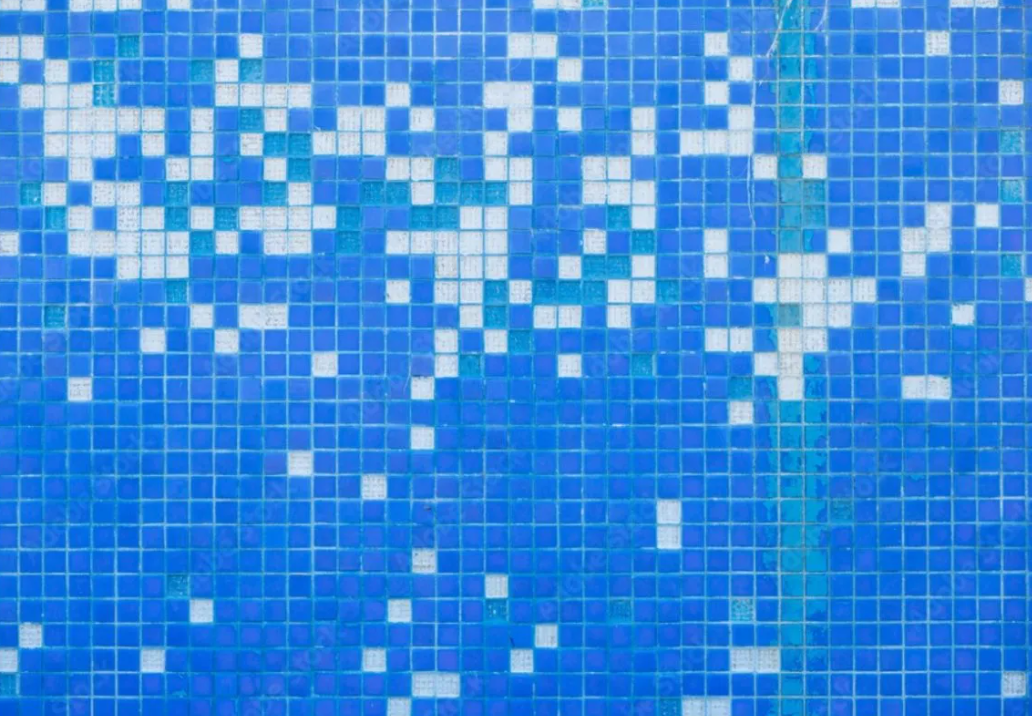
Identifying the causes of pool tile damage is essential to preventing tile detachment. This section promises to detail the most frequent factors leading to tile issues and deterioration in pool environments, particularly in Orlando.
The main causes include improper adhesive selection, poor surface preparation, temperature fluctuations, and the natural wear caused by pool chemicals. These factors interact cumulatively, weakening tile bonds gradually until failure occurs.
Environmental factors also contribute; for example, Orlando’s climate, with its heat and humidity, affects materials differently than in cooler areas. The constant exposure to salty or chlorinated water accelerates tile wear and adhesive breakdown.
To illustrate, a pool installed without waterproofing or with low-quality grout is more prone to damage. Seasonal temperature changes cause expansion and contraction, stressing the tile and adhesive layers. Such examples highlight the importance of choosing correct materials and installation techniques.
Understanding these causes helps pool owners focus on preventive measures and identify when professional repairs are necessary. The next topic will explore specific tile problems related to adhesion.
Key Pool Tile Problems Leading to Falling Tiles
Exploring pool tile problems provides clarity on why these issues happen and what signs to watch for in Orlando pools. This section covers common issues encountered by pool owners and professionals alike.
Problems often include poor bonding due to inadequate adhesive, structural shifts causing tile stress, and chemical imbalances that degrade grout and tiles. These elements together create conditions favorable for tiles coming loose or falling off.
In many cases, tiles may show visible cracks or gaps before detaching completely, signaling serious issues. Professional evaluation often finds that tiles were either installed incorrectly or exposed to harmful water conditions for extended periods.
For instance, a cracked grout line in Orlando’s humid climate could allow water infiltration, weakening the tile base. Such examples are typical in pools subject to frequent chemical treatments or mechanical impacts, key triggers for these tile problems.
By understanding these issues, pool owners can take timely action to fix falling tiles, which is discussed further in the next section. This progression highlights the importance of early detection and repair.
Effective Ways to Fix Falling Pool Tiles

Addressing how to fix falling pool tiles provides practical solutions for pool owners facing this issue. This section promises actionable steps for repair and prevention, focusing on Orlando’s unique pool environment.
Fixing these tiles usually involves removing damaged pieces, cleaning surfaces, and applying the correct adhesive and grout designed for pools. Seasonal timing and water chemistry adjustments also play crucial roles in successful repair.
Maintaining proper pool water balance enhances tile adhesion, preventing future issues. Comparing repair materials reveals that specialized waterproof adhesives and flexible grout compounds perform better under exposure to chemicals and temperature variations.
For example, in Orlando, using polymer-based adhesives suited for humid climates can significantly extend tile life. Pool professionals typically recommend regular maintenance schedules to inspect and address minor problems before they escalate.
The takeaway is that a combination of quality materials and proactive care is vital to fix falling tiles effectively. The subsequent section offers a checklist of steps for maintaining healthy pool tiles long-term.
Preventive Measures and Maintenance Tips for Pool Tiles
Preventive measures and maintenance are key to avoiding loose or falling tiles. This section outlines practical tips that pool owners in Orlando can implement to prolong the life of their tiles.
Regular cleaning, water chemistry monitoring, and prompt repair of minor cracks are essential practices. Pool tiles require balanced pH levels and chlorine concentrations to prevent damage. Neglecting these can lead to the causes of pool tile damage discussed earlier.
Additionally, protecting pool tiles from mechanical impacts and extreme weather conditions helps reduce problems. A comparison between routine inspections and ignoring signs of wear shows the benefits of vigilance.
Examples include seasonal checks for loose tiles and using a pool cover during off-seasons to minimize environmental wear. Simple actions contribute significantly to maintaining solid tile bonds and aesthetics.
Following these maintenance tips ensures fewer occurrences of tiles falling off, safeguarding the investment in pool structures. For more detailed insights on pool tile repairs, consider visiting this resource, and for broader issues, see this external guide. These sources offer valuable advice tailored for pool owners in various climates including Florida.
Summary and Next Steps for Pool Owners
In conclusion, understanding loose or falling tiles involves recognizing causes, problems, and repair strategies. Pool owners in Orlando benefit from awareness of local climate impacts and appropriate maintenance.
The knowledge gained here helps address why these tile detachment issues occur, from adhesive failure to chemical imbalance and structural issues. Proper installation and ongoing care are crucial to prevent these problems.
Taking proactive steps, such as using quality materials and performing routine checks, can save time and costs associated with tile repairs. Comparatively, neglecting early signs often leads to extensive damage and higher expenses.
As an example, Orlando pool owners who follow these guidelines report longer-lasting installations and fewer repairs. This illustrates the value of education and prevention in pool maintenance.
To deepen your understanding and find professional assistance, explore more at internal pool tile repair guide and visit external pool tile problems resource. These references provide comprehensive support for tackling tile issues effectively.
- Inspect pool tiles regularly for cracks or looseness.
- Maintain balanced water chemistry to protect adhesives.
- Use pool-specific waterproof adhesive and grout.
- Schedule professional inspections annually, especially in Florida’s climate.
- Protect tiles from impact and extreme weather when possible.
- Address small tile issues immediately to prevent spreading damage.




Add comment