
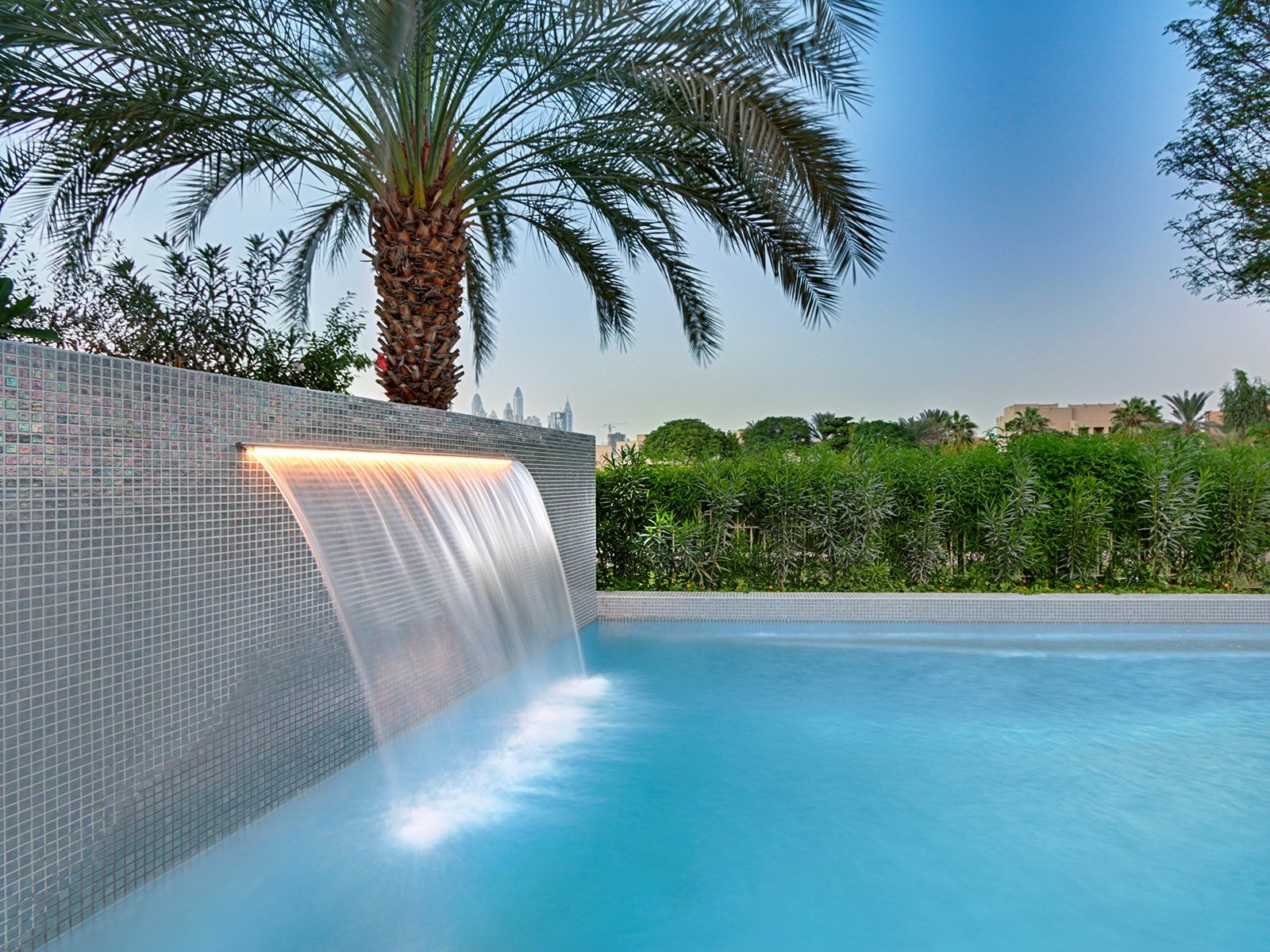
How Glass Mosaic Tiles Create a Shimmering Effect
Introduction to Glass Mosaic Tiles
Glass mosaic tiles have become a popular choice in interior design for homeowners and designers seeking elegance, brightness, and visual sophistication. Their reflective surfaces help create vibrant spaces that feel more open and luxurious. In cities like Dallas, Texas, glass mosaic tiles are frequently used to maximize natural light and add decorative interest to kitchens, bathrooms, pools, and feature walls.
Glass mosaic tiles are composed of small pieces of glass arranged to form decorative patterns and surfaces. During manufacturing, the tiles are designed to provide rich color, smooth finishes, and enhanced light reflection. Their versatility makes them suitable for both residential and commercial applications where aesthetics and durability are equally important.
How Glass Mosaic Tiles Create a Shimmering Effect

One of the most distinctive characteristics of glass mosaic tiles is their ability to create a shimmering effect. Unlike ceramic or stone surfaces, glass reflects and refracts light, producing brightness, depth, and movement that change throughout the day. As light interacts with the surface, the tiles appear to sparkle from different viewing angles, creating a dynamic visual experience.
This effect is particularly noticeable in spaces exposed to natural or artificial light, such as kitchen backsplashes, bathroom walls, and swimming pools. In many Dallas homes, glass mosaic tiles are used to enhance interior brightness and create eye-catching focal points. Their reflective qualities not only elevate the overall design but also contribute to a more sophisticated and luxurious atmosphere, making them a preferred choice for modern decorative projects.
Functional Properties of Glass Mosaic Tiles
Glass mosaic tiles combine visual appeal with practical advantages, making them a popular choice for both residential and commercial spaces. Their durability, water resistance, and easy maintenance make them especially valuable in kitchens, bathrooms, pools, and spas. Homeowners and designers in cities like Dallas often choose glass mosaic tiles because they deliver both beauty and long-term performance.
Manufacturers create glass mosaic tiles with non-porous surfaces that resist moisture, stains, and daily wear. Unlike many other tile materials, glass does not absorb water, making it ideal for wet environments. The smooth surface also discourages mold and mildew growth, helping maintain a cleaner and healthier space. These qualities make glass mosaic tiles a preferred option for pools, spas, showers, and other areas with constant water exposure.
Glass tiles also outperform many natural stone and ceramic alternatives in demanding conditions. They maintain their color, shine, and structural integrity despite fluctuations in temperature and humidity. In climates like Dallas, where weather conditions can vary throughout the year, glass mosaic tiles continue to perform well without fading or deteriorating. Their resistance to UV exposure and common cleaning products further contributes to their longevity.
For example, many homeowners in Arizona install decorative glass tiles in kitchen backsplashes because they combine striking visual appeal with simple maintenance. The non-porous surface repels water and stains, allowing homeowners to clean spills quickly and easily. Busy households and commercial kitchens benefit from this convenience while still enjoying the distinctive shimmer that glass tiles provide.
These practical advantages make glass mosaic tiles more than just a decorative feature. Their combination of durability, moisture resistance, and low-maintenance care creates a strong foundation for exploring the creative design possibilities and shimmering visual effects that make glass mosaics so distinctive.
Artistic Potential of Glass Mosaic Tiles

Glass mosaic tiles offer remarkable artistic flexibility, making them a popular choice for both residential and commercial designs. Their wide range of colors, finishes, and sizes allows designers to create unique visual compositions that complement any architectural style. From contemporary spaces to traditional settings, glass mosaics can be customized to achieve virtually any design vision.
Unlike standard tile materials, glass mosaics can be arranged in intricate geometric patterns, flowing organic shapes, or abstract artistic layouts. This versatility enables homeowners and designers to transform walls, backsplashes, pools, and feature areas into personalized works of art. By combining different colors and finishes, designers can create depth, movement, and visual interest that elevate the overall aesthetic of a space.
In many Dallas-area homes, designers incorporate decorative glass tiles to create statement features that blend functionality with artistic expression. Whether using subtle neutral tones or bold color combinations, glass mosaics provide endless opportunities for creativity while maintaining a sophisticated and timeless appeal.
How Glass Tile Patterns Enhance Shimmer and Light Reflection
The shimmering effect that makes glass tiles so desirable is heavily influenced by pattern design and light interaction. The arrangement of individual tiles determines how natural and artificial light is reflected across the surface, creating varying levels of brightness, depth, and movement. Carefully designed patterns can dramatically enhance the visual impact of a space.
Glass mosaic tiles may feature geometric layouts, gradient transitions, or mixed-color combinations that maximize light reflection. Finishes such as iridescent, glossy, or frosted glass further affect how light is scattered, producing effects that range from subtle elegance to vibrant brilliance. Compared to plain surfaces, patterned glass tiles create a multidimensional appearance that changes throughout the day as lighting conditions shift.
For example, many Dallas homeowners combine neutral glass mosaics with accent colors to create surfaces that sparkle under both daylight and decorative lighting. These thoughtfully designed patterns not only enhance visual appeal but also help create a sense of luxury and sophistication. By understanding how patterns influence light reflection, homeowners can select glass tile designs that deliver the perfect balance of shimmer, depth, and style.
The Science Behind Shimmering Glass Tile Effects

Delving into the science behind glass tile effects helps explain why shimmering mosaic tiles behave the way they do under different lighting conditions. This section examines the physical principles responsible for the unique glow and shine seen in glass mosaic tiles. Knowing these scientific aspects enriches appreciation and guides optimal use in design. In Texas, where sunlight can be intense, understanding light interaction with tiles is crucial for achieving desired results.
The shimmering effect occurs as light reflects, refracts, and disperses when it strikes the glass surface. Glass mosaic tiles are made to bend light thanks to their translucent nature and multi-angle surfaces. The tile edges and textures scatter light differently, resulting in a sparkle that changes with viewing angle and lighting intensity. This optical phenomenon is similar to how iridescent tiles reflect elegance through their reflective surfaces, a concept explained further in this external link.
Compared to opaque tiles, glass tiles allow partial transmission of light, which adds depth and complexity to the shimmering effect. The interplay of light waves generates brighter highlights and softer glow areas across the surface. This dynamic light interaction is why shimmering mosaic tiles feel lively and vibrant in varied lighting environments. The effect is most pronounced with directional lights like spotlights or sunlight, often seen in Dallas interior and exterior designs.
In practical terms, lighting placement in spaces with these tiles greatly influences their shimmering appeal. For instance, strategically positioned lamps or natural light sources enhance the glass tile patterns and maximize visual impact. Designers must consider light angles to fully utilize the science of light-tile interaction for dazzling results. This understanding guides efficient and artistic tile installations.
After exploring the science behind shimmering mosaic tiles, we will now consider the practical applications and best uses of these decorative glass tiles in real-world environments.
Practical Applications and Design Tips for Glass Mosaic Tiles
Glass mosaic tiles are versatile in their applications, providing both aesthetic and practical benefits. This section discusses key areas where these shimmering mosaic tiles can be effectively used and shares design tips to optimize their stunning glass tile effects. Whether in residential or commercial settings, knowing how to use glass mosaic tiles enhances space transformation. Dallas homeowners have embraced these decorative glass tiles for various projects due to their vibrant appeal and durability.
Common applications include bathroom walls, kitchen backsplashes, swimming pools, and accent walls. The reflective and colorful nature of glass mosaic tiles brightens areas that benefit from increased light diffusion. Additionally, the tiles can match diverse interior styles from modern minimalism to classic sophistication. Their adaptability makes them a preferred choice in the Dallas and Arizona regions where style and function converge.
When using glass tile patterns, it is wise to consider complementary materials such as natural stone, wood, or metal to balance the shimmer. Lighting also plays a vital role; using adjustable fixtures or maximizing sunlight exposure ensures the tiles’ luminous qualities are showcased. Maintenance is relatively straightforward, requiring only regular cleaning with mild detergents to preserve the shine and texture. These aspects help sustain the tiles’ attractive sheen over time and daily use.
Deign Tips:
Here are some design tips to enhance your space with shimmering mosaic tiles:
- Choose a mix of glossy and frosted glass tiles for texture contrast.
- Incorporate LED lighting to highlight tile reflections.
- Use smaller tiles in patterns to intensify shimmer effects.
- Pair glass mosaic tiles with neutral backgrounds for balance.
- Select tile colors that reflect natural surroundings for harmony.
- Consider placement near windows to utilize sunlight glow.
By following these guidelines, your glass mosaic tiles project will not only look stunning but also serve a functional purpose. The shimmering effect of these decorative glass tiles is a powerful design tool. It is worth exploring more ideas and inspiration to perfect your tile choices and arrangements.




Add comment