

What Makes Pool Tile Suitable for Hotels and Resorts?
Understanding the Importance of Pool Tile in Hospitality Settings
Pool tile is a critical element for hotels and resorts aiming to offer guests a luxurious and safe swimming experience. Choosing the right pool tile can enhance the visual appeal and longevity of the pool area. It is essential to consider which materials best meet the unique demands of hospitality environments. This section introduces the benefits and requirements for pool tiles in these settings.
Pool tile refers to the unique type of tiles used in and around pools, selected for their durability and water resistance. Hotels and resorts require tiles that withstand heavy usage and exposure to chemicals and weather. Understanding these needs helps in selecting appropriate tiles that maintain appearance and function over time. These characteristics distinguish pool tile from typical ceramic or porcelain options.
The practicality of pool tile in hospitality settings lies in its ability to resist slip hazards and chemical corrosion. Compared to residential tiles, those for hotels must balance safety, maintenance ease, and aesthetic value. The variety of available designs also allows hotels to reflect their brand image through stylish tile choices. Maintaining these factors is critical in sustaining a pool area that guests find appealing.
For example, many luxury hotels in regions known for tourism invest in high-end pool tiles that combine glass mosaics with non-slip finishes. Such installations elevate the guest experience by blending beauty with practical safety features. One such project showcasing innovative pool tile use is detailed here: Ezarri Magic Touch Hotel Seehof Pool. This example demonstrates how tile selection supports brand identity while ensuring guest comfort.
In conclusion, recognizing the significance of pool tile in hospitality helps guide better choices. Hotels and resorts can enhance their pool areas by prioritizing durability and design. This understanding seamlessly transitions into exploring specific characteristics that make pool tiles suitable for these demanding environments.
Key Characteristics of Suitable Pool Tile for Hotels and Resorts
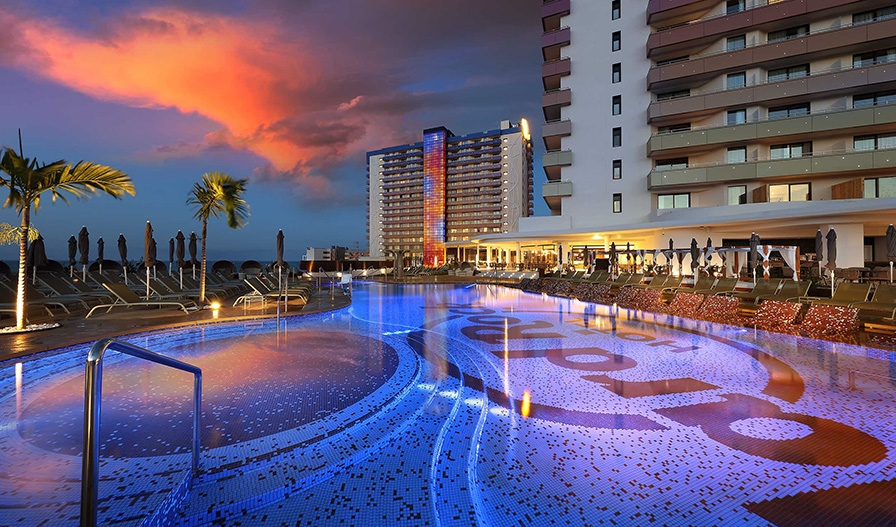
When selecting pool tile for hotels and resorts, several critical features must be considered to ensure optimal performance and guest safety. This section outlines these essential attributes, providing a clear picture of what makes tile fitting for commercial pools. Understanding these features helps hotel managers make informed purchasing decisions.
Pool tiles designed for hotels usually exhibit traits such as slip resistance, durability against chemicals, and heat tolerance. These characteristics help ensure the tiles remain intact and safe under heavy drain and swimmer traffic. Moreover, UV resistance is important for outdoor pools to prevent fading and damage. These properties collectively contribute to the tile’s longevity and visual appeal.
Tiles with textured surfaces or anti-slip coatings minimize accidents by offering enhanced grip even when wet. Durability also means the tiles resist stains and chipping, reducing maintenance frequency and costs. Comparing different tile materials, such as glass mosaic versus porcelain, reveals trade-offs between aesthetics and robustness which influence final choices based on hotel needs.
A practical application can be seen in resorts located in varied climatic regions, where tiles must cope with temperature fluctuations as well as constant use. Choosing the right combination of features ensures both safety regulations and design goals are met. This balance significantly impacts guest satisfaction and operational overheads.
Therefore, an awareness of tile characteristics fosters better procurement and maintenance strategies for hospitality pools. These considerations naturally lead to discussing how tile design enhances the guest experience through visual and functional elements.
Enhancing Guest Experience Through Pool Tile Design

The visual and tactile appeal of pool tile plays a significant role in shaping the guest experience at hotels and resorts. Pools serve as key amenities, and the tile design greatly influences the ambiance and perceived luxury. This section explores how tile aesthetics and design translate to higher guest satisfaction and brand value.
Pool tiles come in various colors, shapes, and finishes that allow designers to create stunning mosaics or sleek modern looks tailored to a hotel’s theme. The right tile enhances water clarity by reflecting natural light, creating inviting and relaxing atmospheres. Combining functionality with striking visuals impacts guest mood positively, promoting longer and more frequent pool use.
In resorts especially, intricate tile patterns or luxury glass tiles can complement landscaping and architecture, reinforcing a cohesive aesthetic message. Designers utilize pools as focal points of hotel grounds, making tile choice a strategic branding tool. Besides beauty, textured tiles provide a pleasant touch underfoot, adding to comfort and sensory appeal.
A relevant example can be drawn from well-known resorts in tourist regions where pool tile artistry is featured in marketing brochures, subtly encouraging potential guests to envision leisure and style. Such details differentiate premium hospitality offerings from standard accommodations. This focus on appearance directly enhances perceived value and return on investment.
Summarizing, tile design is not merely decoration but a core component of guest experience strategy. This idea transitions smoothly into practical considerations such as installation and maintenance that ensure tiles retain their appeal over time.
Installation and Maintenance Considerations for Hotel Pool Tile
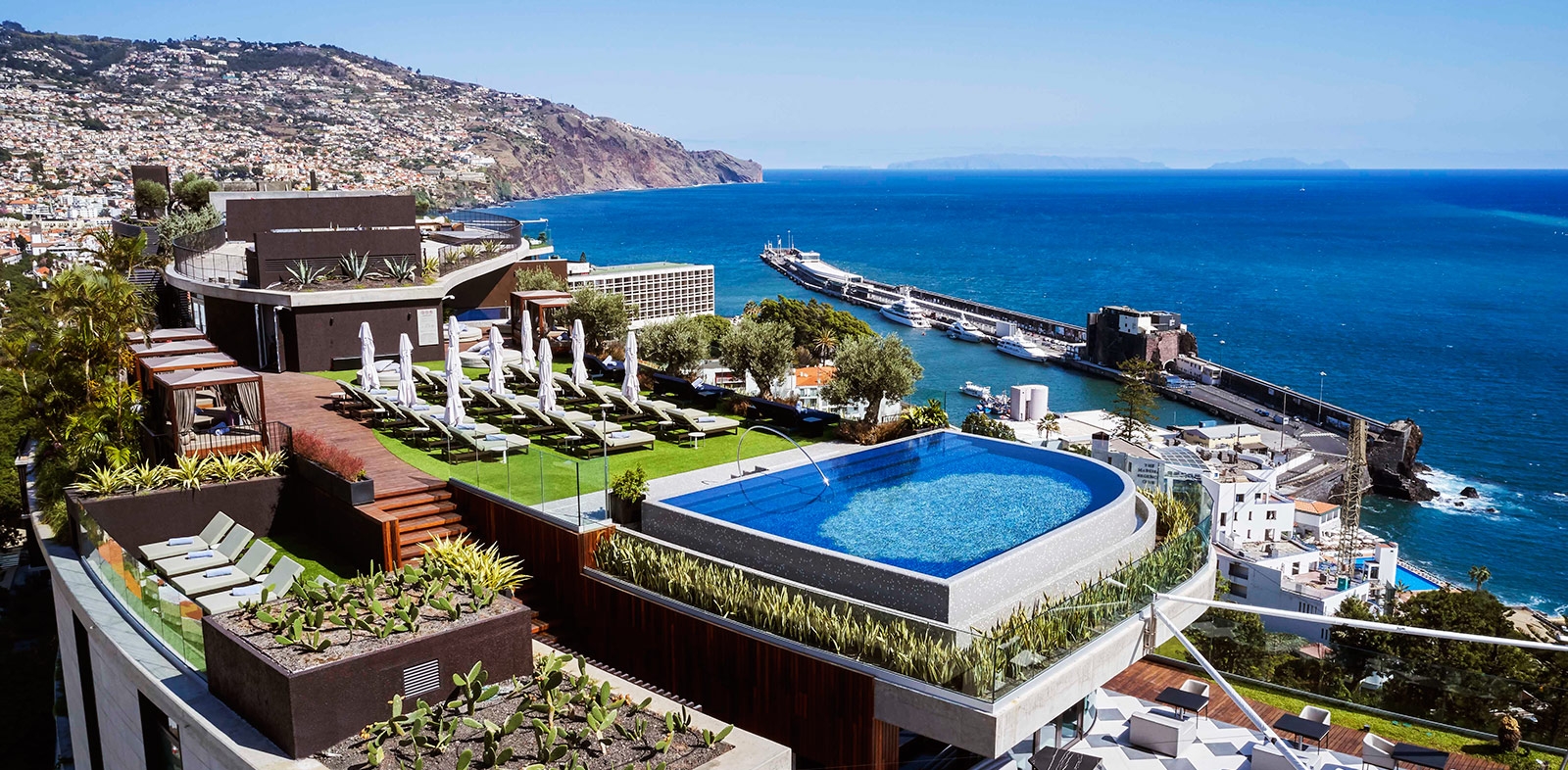
Proper installation and ongoing maintenance of pool tile are crucial for hotels and resorts to maximize their investment and maintain safety. This section highlights important practices and challenges in handling pool tile, addressing the operational perspective important to facility managers. Understanding these factors aids in planning and budgeting.
Installation requires skilled labor to ensure tiles are evenly laid, waterproofed, and aligned with pool infrastructure. Mistakes during this phase can lead to tile loosening or water leakage, causing costly repairs and downtime. Maintenance includes regular cleaning to prevent algae, chemical damage, and grime buildup without harming tile surfaces.
Hotels often face high usage and environmental exposures which expedite wear. Choosing tiles that allow easy cleaning with standard pool chemicals reduces labor and maintenance costs. Establishing a routine maintenance plan with professional inspections ensures minor issues are addressed swiftly, preserving tile condition and safety.
For instance, some resorts in climates with substantial rainfall must implement frequent waterline cleaning and occasional grout replacement to combat moisture-related wear. Proper attention to these details prolongs the life and appearance of pool tiles, securing guest confidence. External resources provide guidelines on luxury pool tile care to support facility operations: Guide to High-End Pool Tiles for Luxury Hotels.
Thus, thorough installation combined with proactive maintenance forms the backbone of sustained pool tile performance. This practical insight ushers us into understanding regional influences on tile selection and usage.
Regional Influences and Trends in Pool Tile Selection
The choice of pool tile for hotels and resorts often reflects regional environmental and cultural influences, shaping material preferences and design trends. This section examines how geographic context affects pool tile suitability and styles, offering a nuanced view relevant to hospitality operators in various locales.
For example, hotels in coastal regions may favor saltwater-resistant tiles that withstand harsh marine conditions, while those in alpine or temperate zones consider freeze-thaw durability. Climate affects not only material choice but also color selection and patterns to complement local architecture and natural surroundings. Recognizing these factors supports smarter tile investments.
In tourist hubs, evolving design trends also play a role by driving demand for contemporary styles or traditional mosaics that resonate with cultural heritage. Hotels in such areas must balance innovation with timelessness to appeal to diverse guests. Regional market analysis helps identify emerging preferences and available technologies in tile manufacturing.
Many hotels in the US appreciate tiles that combine practicality with regional flair to enrich guest experience under varied weather conditions. This preference calls for close collaboration between designers and tile suppliers to deliver custom solutions aligned with local demands. Understanding these regional dynamics helps hotels maintain competitive appeal nationally and internationally.
Overall, recognizing the impact of geographic context encourages adaptive strategies in tile selection, installation, and marketing. This comprehensive approach ensures hotels and resorts achieve the best outcomes from their pool tile investments, benefiting guests and operations.


Add comment